Safe room vs storm shelter
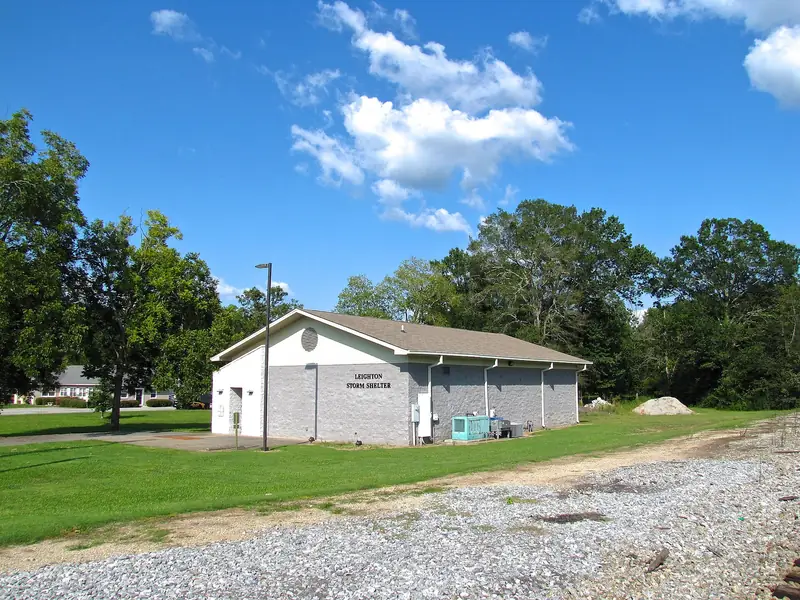
People use the two terms for the same thing, and FEMA says past publications did too. FEMA now separates them: a storm shelter meets the ICC 500 standard, and a safe room meets ICC 500 plus FEMA's stricter funding criteria for what it calls near-absolute protection (FEMA P-361, Safe Rooms for Tornadoes and Hurricanes). Every FEMA safe room is a storm shelter. Not every storm shelter is a safe room.
What near-absolute protection means
FEMA says people in a safe room built to its guidance have a very high probability of being protected from injury or death, based on what's known about tornadoes and hurricanes. It also says storms could exceed the design limits. FEMA P-361 reports there hasn't been a single reported failure of a safe room built to FEMA criteria (FEMA P-361, Safe Rooms for Tornadoes and Hurricanes).
For homes, FEMA's safe room criteria use a 250 mph design wind and a 15-pound 2x4 hitting the wall at 100 mph (FEMA P-320, Taking Shelter from the Storm). The FEMA and ICC 500 page explains the testing and why no shelter is "FEMA approved."
What to ask an installer
- Does this model meet ICC 500, FEMA P-361, or both?
- Can I see the test or certification paperwork for the door and the shelter?
- How is it anchored, and what's it anchored to?
If you live in a mobile home
The National Weather Service says mobile homes are not a safe shelter in tornadoes. People in mobile homes are 15 to 20 times more likely to be killed than people in permanent homes, and EF1 tornadoes can destroy a mobile home. NWS suggests choosing a sturdier place ahead of time and leaving when a tornado watch is issued, since a warning may not leave enough time (NWS Jackson, mobile and manufactured home safety).
Options include a friend's or relative's house, a public shelter, or a shelter in the yard that doesn't depend on the home. The CDC suggests asking your mobile home community to build a tornado shelter (CDC, Preparing for a Tornado). The Craighead County public shelter list shows where to go nearby.
Quick answers
What is the difference between a safe room and a storm shelter?
In FEMA's terms, a storm shelter meets the ICC 500 standard. A safe room meets ICC 500 plus FEMA's stricter funding criteria for what FEMA calls near-absolute protection. Every FEMA safe room is a storm shelter, but not every storm shelter is a safe room.
Can a safe room survive an EF5 tornado?
FEMA's residential safe room criteria use a 250 mph design wind and a 15-pound 2x4 hitting at 100 mph. FEMA P-361 says there hasn't been a single reported failure of a safe room built to FEMA criteria, while noting that a storm could exceed the design limits.
Is a mobile home safe in a tornado?
No. The National Weather Service says mobile homes are not a safe shelter in tornadoes, and that people in mobile homes are 15 to 20 times more likely to be killed than people in permanent homes. Plan to leave for a sturdier building when a tornado watch is issued.
This is a general guide built from public sources, not engineering, medical or legal advice. Follow local officials during an emergency.
Sources: FEMA P-361, Safe Rooms for Tornadoes and Hurricanes; FEMA P-320, Taking Shelter from the Storm; NWS Jackson, mobile and manufactured home safety; CDC, Preparing for a Tornado.
Get a storm shelter quote
Only your name and phone are required. A local installer follows up with you.
How this works
- We pass your request to one local installer who covers your area, or to up to 3 if you tick the box.
- If they can take the job, they call or email you to ask about the site and give you a price.
- Sending a request is free, and you don't have to hire anyone.
Angi puts the national average for a tornado shelter at $7,643, and most homeowners pay between $2,892 and $13,281. Source: Angi, 2026 tornado shelter cost guide.
Last updated