Preparedness guides for Jonesboro households
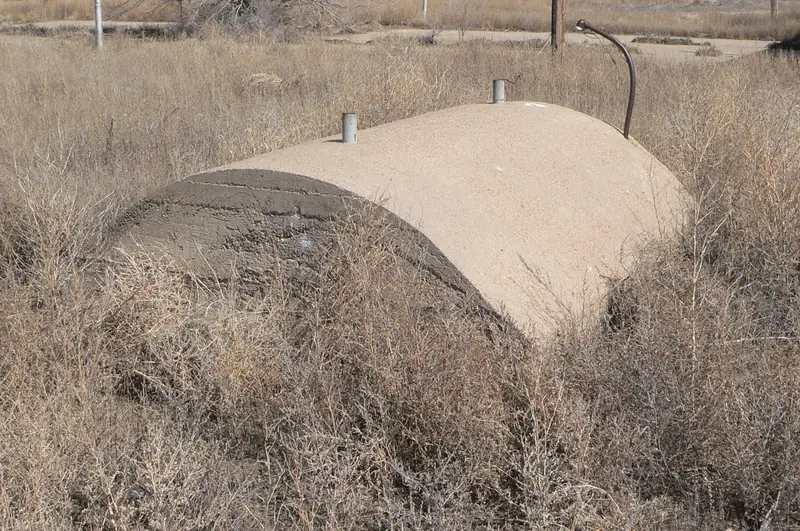
A storm shelter is built to get your family through a tornado. The same habits that make one useful, like a stocked kit, a plan and a way to get news, also help when the power is out for days or officials ask people to stay home. These guides answer the questions people ask most, using FEMA, Ready.gov, CISA, FCC and National Weather Service sources.
Guides
National price ranges for each, extra fees, and what you get for the money.
Can a storm shelter double as a fallout or EMP shelter?Which standards apply, which don't, and what to ask a builder.
Grid down: getting your shelter readyVentilation, batteries and generators, a 72-hour kit, and phones and internet in an outage.
Safe room vs storm shelterWhat FEMA P-361 and ICC 500 mean, and the options if you live in a mobile home.
Panic rooms and civil unrestWhat a tornado safe room is built for, and the official advice on staying put.
How these guides are written
Every number links to the agency or publication it came from. Where no standard backs a claim, such as fallout, blast or EMP ratings for home shelters, we say so and list questions to ask a builder instead.
This is a general guide built from public sources, not engineering, medical or legal advice. Follow local officials during an emergency.
Get a storm shelter quote
Only your name and phone are required. A local installer follows up with you.
How this works
- We pass your request to one local installer who covers your area, or to up to 3 if you tick the box.
- If they can take the job, they call or email you to ask about the site and give you a price.
- Sending a request is free, and you don't have to hire anyone.
Angi puts the national average for a tornado shelter at $7,643, and most homeowners pay between $2,892 and $13,281. Source: Angi, 2026 tornado shelter cost guide.
Last updated